Oakland catastrophic car accident hospital discharge plan is a topic many families begin researching after a loved one survives a serious motor vehicle collision but is preparing to leave the hospital. For many people, discharge feels like the end of the medical emergency. In reality, it is often the beginning of a much longer recovery process. A catastrophic injury may require weeks, months, or even years of rehabilitation, follow-up care, specialist appointments, therapy, and adjustments to daily life. Families who expected life to return to normal after discharge often discover that new medical, financial, and logistical challenges are only beginning.
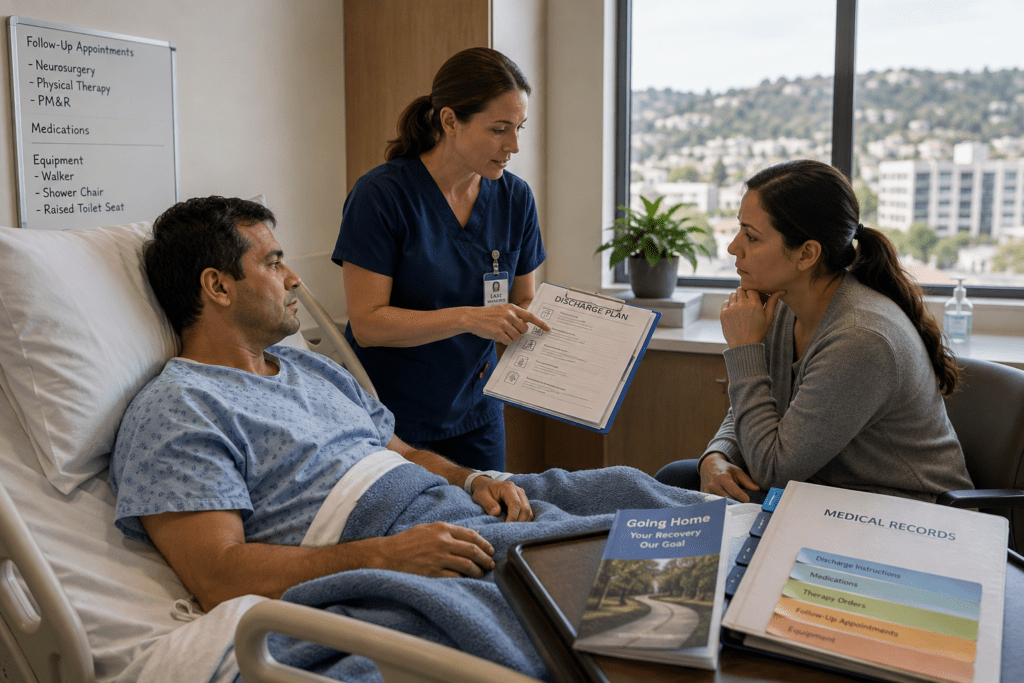
Hospital discharge planning involves much more than scheduling a ride home. Physicians, nurses, case managers, rehabilitation specialists, and other healthcare professionals frequently work together to develop recommendations regarding medications, follow-up appointments, therapy, mobility assistance, home modifications, and ongoing medical monitoring. These recommendations help guide recovery while reducing the risk of complications after leaving the hospital. Because every catastrophic injury is different, discharge plans are often tailored to the individual’s specific medical needs and long-term recovery goals.
Understanding an Oakland catastrophic car accident hospital discharge plan can help families better prepare for the transition from hospital care to rehabilitation and recovery. Medical records, discharge instructions, therapy referrals, equipment recommendations, and follow-up appointments frequently become some of the most important documents generated after a catastrophic injury. Preserving these records early often provides a much clearer understanding of the care plan and the long-term needs that may continue well after the initial hospitalization ends.
Why Discharge Paperwork Is Only the Starting Point
Follow-up specialists, rehabilitation, and therapy planning
Leaving the hospital does not necessarily mean treatment has been completed. In many catastrophic injury cases, discharge simply marks the transition from emergency medical care to long-term recovery. Depending on the nature of the injuries, patients may continue receiving treatment from orthopedic surgeons, neurologists, rehabilitation physicians, physical therapists, occupational therapists, speech-language pathologists, pain management specialists, or other healthcare providers. Each specialist contributes a different part of the recovery plan, helping the patient gradually regain function and independence whenever possible.
For families managing an Oakland catastrophic car accident hospital discharge plan, follow-up appointments often begin within days of leaving the hospital. Therapy schedules may involve multiple visits each week, while additional imaging, surgical follow-up, or specialist evaluations continue monitoring the patient’s recovery. These appointments frequently generate new medical records documenting progress, setbacks, revised treatment recommendations, and changing rehabilitation goals. Maintaining organized copies of these records often helps families better understand how recovery is progressing over time.
Rehabilitation planning is rarely static. Healthcare providers regularly adjust therapy based on how the patient responds to treatment. As mobility improves or new challenges develop, recommendations may change regarding exercise programs, adaptive equipment, medication management, or additional specialist referrals. Understanding that discharge paperwork represents the beginning of an evolving recovery plan helps families prepare for the ongoing medical care that frequently follows catastrophic injuries.
Medication, equipment, and transportation needs
Catastrophic injuries often require significant adjustments to daily life immediately after hospital discharge. Medications prescribed during hospitalization may continue for weeks or months, helping manage pain, prevent complications, or support ongoing recovery. Families frequently receive detailed instructions regarding dosage schedules, follow-up monitoring, and potential side effects. Keeping these instructions together with other discharge records often helps reduce confusion once the patient returns home.
For individuals following an Oakland catastrophic car accident hospital discharge plan, medical equipment may also become an important part of the recovery process. Wheelchairs, walkers, crutches, braces, shower chairs, hospital beds, transfer equipment, and other assistive devices may be recommended depending on the nature of the injuries. Learning how to use this equipment safely often becomes one of the first responsibilities families face after leaving the hospital.
Transportation frequently presents another challenge. Follow-up appointments, rehabilitation sessions, diagnostic testing, and specialist consultations may require regular travel, even when the injured individual is unable to drive. Family members, medical transportation services, or rideshare options sometimes become essential parts of the recovery process. These practical considerations are often discussed during discharge planning because they directly affect the patient’s ability to continue receiving recommended medical care.
Why long-term limitations may still be unclear
One of the most difficult aspects of catastrophic injuries is that long-term recovery often remains uncertain immediately after hospital discharge. Physicians may have a general understanding of the injuries sustained, but predicting exactly how an individual will recover is not always possible during the early stages of treatment. Healing takes time, and recovery frequently depends on many factors, including the severity of the injuries, the patient’s overall health, rehabilitation progress, and response to ongoing medical care.
For an Oakland catastrophic car accident hospital discharge plan, this uncertainty often means that treatment recommendations continue evolving long after the patient leaves the hospital. Some individuals recover more quickly than expected, while others require additional surgeries, rehabilitation, or long-term therapy. Healthcare providers typically monitor progress closely before making more definitive assessments regarding permanent limitations or future care needs.
This is one reason discharge paperwork should not be viewed as the final chapter of recovery. Instead, it provides a framework that guides the next phase of treatment while allowing healthcare providers to adjust recommendations as new information becomes available. Families often find reassurance in understanding that recovery plans are expected to evolve as the patient’s condition changes over time.
Records That Can Help Document Future Care Needs
Discharge instructions, surgical notes, and therapy orders
One of the most valuable collections of records generated after hospitalization includes the official discharge instructions provided by the treating medical team. These documents frequently summarize the injuries, outline recommended medications, identify activity restrictions, schedule follow-up appointments, and explain when additional medical attention should be sought. Although families often receive large amounts of paperwork at discharge, preserving these records carefully can help create a clear roadmap for the weeks and months ahead.
For individuals managing an Oakland catastrophic car accident hospital discharge plan, surgical notes and therapy orders frequently become equally important. Surgical reports often explain the procedures performed, while therapy orders establish the rehabilitation services recommended following discharge. Physical therapy, occupational therapy, speech therapy, or other rehabilitation services are commonly initiated using these physician orders, making them central components of the ongoing recovery process.
Keeping discharge instructions, operative reports, therapy referrals, medication lists, and appointment schedules together in one organized location often helps families coordinate care more effectively. These records frequently become the foundation upon which future medical documentation is built as recovery continues beyond the hospital.
Records That Can Help Document Future Care Needs
Home health recommendations and assistive device records
For many families, the transition from hospital to home requires much more than simply following medication instructions. Catastrophic injuries often leave individuals temporarily or permanently unable to perform everyday activities without assistance. As part of an Oakland catastrophic car accident hospital discharge plan, physicians and discharge coordinators frequently recommend home health services, nursing visits, rehabilitation support, or other forms of in-home care designed to help the patient recover safely outside the hospital setting.
These recommendations are usually documented within the discharge paperwork and often include detailed instructions regarding wound care, medication management, physical therapy exercises, mobility assistance, or follow-up monitoring. Families may also receive recommendations for durable medical equipment such as wheelchairs, walkers, hospital beds, shower chairs, transfer benches, braces, or mobility lifts. These devices are intended to improve safety while allowing patients to continue rehabilitation at home.
Maintaining organized records of equipment prescriptions, delivery receipts, and provider recommendations often becomes an important part of documenting ongoing recovery needs. For an Oakland catastrophic car accident hospital discharge plan, these records frequently help explain why certain equipment was recommended and how it supports the patient’s long-term rehabilitation. As additional equipment or modifications become necessary, preserving these records creates a clearer timeline of the patient’s evolving medical needs.
Provider notes about mobility, cognition, or work limits
As recovery progresses, healthcare providers regularly document changes in the patient’s physical and cognitive abilities. Follow-up appointments often evaluate mobility, balance, strength, coordination, pain levels, memory, concentration, and other functions affected by the catastrophic injury. These provider notes frequently become some of the most detailed records generated during the recovery process because they describe how the patient’s condition changes over time rather than focusing solely on the initial injuries.
For individuals following an Oakland catastrophic car accident hospital discharge plan, physician observations often include recommendations regarding lifting restrictions, driving limitations, return-to-work guidance, and participation in daily activities. Rehabilitation specialists may also document improvements in walking ability, transfers, endurance, communication, or cognitive functioning while identifying areas that continue requiring treatment.
These ongoing evaluations help create a much more complete understanding of recovery than hospital records alone. Because catastrophic injuries frequently involve gradual improvement over many months, provider notes become valuable in documenting how treatment recommendations evolve and how the patient’s abilities change throughout rehabilitation.
Household Changes That May Matter to the Claim
Caregiver time, schedule changes, and missed work
Catastrophic injuries often affect the entire household rather than only the injured individual. Family members frequently assume new responsibilities involving transportation, medication management, meal preparation, personal care, therapy appointments, and household tasks that the injured person can no longer perform independently. These responsibilities may require significant adjustments to work schedules, childcare arrangements, and daily routines.
For families managing an Oakland catastrophic car accident hospital discharge plan, documenting these caregiving responsibilities often helps illustrate the broader impact of the injury. A spouse may reduce work hours to attend medical appointments. Adult children may coordinate transportation or rehabilitation schedules. Other relatives may temporarily relocate to assist with daily care. These changes frequently become part of the overall recovery story because they demonstrate how the injury affects more than just the patient.
Maintaining records of caregiving schedules, missed work, transportation logs, and related expenses often helps organize this information throughout the recovery process. While each family’s circumstances are different, preserving these records frequently provides valuable context regarding the practical realities of caring for someone recovering from a catastrophic injury.
Home modifications, accessibility issues, and transportation burdens
Many catastrophic injuries require adjustments to the home itself before the patient can return safely after discharge. Depending on the injuries involved, families may need to install wheelchair ramps, grab bars, stair lifts, widened doorways, accessible bathroom equipment, or other modifications designed to improve safety and independence. These changes often become necessary very quickly following discharge and may continue evolving as rehabilitation progresses.
For an Oakland catastrophic car accident hospital discharge plan, documentation relating to home modifications frequently helps explain how the injury changed the patient’s living environment. Estimates, invoices, contractor records, and equipment receipts often provide a timeline showing how accessibility needs developed following the collision.
Transportation may present additional challenges as well. Individuals who previously drove independently may temporarily or permanently depend on family members, medical transportation providers, or rideshare services for physician appointments, rehabilitation sessions, and daily activities. Recording these transportation needs often helps demonstrate how recovery affects everyday life beyond the medical treatment itself.
Daily journals showing pain, fatigue, or loss of independence
Medical records provide valuable clinical information, but they do not always capture how recovery affects a person’s daily experience. Many patients and families find it helpful to maintain a personal journal documenting pain levels, fatigue, sleep quality, mobility challenges, emotional changes, and difficulties completing routine activities. These journals often provide additional context that complements formal medical documentation.
For individuals following an Oakland catastrophic car accident hospital discharge plan, daily journals may reveal patterns that become difficult to remember over time. A patient may notice increased fatigue following therapy sessions, worsening pain during certain activities, or gradual improvements in mobility that develop over several weeks. Recording these observations creates a chronological record of recovery that often supplements physician notes and rehabilitation reports.
Loss of independence is another issue frequently documented through personal journals. Activities that once required little effort—bathing, dressing, cooking, driving, shopping, or caring for children—may suddenly require assistance. These day-to-day observations often help illustrate the practical effects of a catastrophic injury in ways that clinical records alone cannot fully capture.
Insurance Disputes in Catastrophic Oakland Crash Claims
Challenges to future treatment needs or medical necessity
One of the most significant issues that may arise after a catastrophic injury involves determining what medical care will be needed long after the patient leaves the hospital. While emergency treatment addresses the immediate injuries, recovery frequently continues through rehabilitation, specialist care, medication management, and ongoing therapy. Because these needs often extend for months or years, discussions sometimes arise regarding the extent of future treatment that may be medically appropriate.
For families following an Oakland catastrophic car accident hospital discharge plan, future medical care is rarely fully understood at the time of discharge. Physicians may recommend additional rehabilitation while continuing to evaluate how the patient responds to treatment. Some individuals recover more quickly than anticipated, while others require additional procedures, therapy, or long-term medical management. As a result, future care recommendations often evolve throughout the recovery process.
Medical records, specialist evaluations, rehabilitation reports, and provider recommendations frequently become central to understanding these long-term needs. Rather than relying solely on the initial discharge paperwork, healthcare providers typically review the patient’s progress over multiple appointments before making more definitive recommendations regarding ongoing treatment. Maintaining organized records throughout recovery often helps create a clearer understanding of how future medical needs developed over time.
Requests for more records or independent medical exams
As recovery continues, additional medical documentation is often requested to better understand the patient’s condition. Insurance companies, healthcare providers, and other parties may seek updated treatment records, specialist reports, rehabilitation notes, or additional evaluations documenting how recovery has progressed since the patient left the hospital.
For an Oakland catastrophic car accident hospital discharge plan, these requests frequently reflect the fact that catastrophic injuries continue changing over time. Follow-up records often contain information that simply did not exist during the initial hospitalization. Improvements in mobility, ongoing neurological symptoms, rehabilitation progress, or new treatment recommendations may all become part of the evolving medical record.
In some situations, independent medical examinations may also be requested as part of the overall review process. These evaluations generally provide another opportunity for a physician to assess the patient’s current condition using the available medical history and physical findings. Keeping organized copies of physician reports, therapy notes, diagnostic studies, and discharge records often helps ensure that the patient’s recovery history remains complete as additional evaluations occur.
Settlement pressure before long-term needs are fully understood
Another issue families occasionally encounter involves discussions regarding settlement while recovery is still ongoing. Catastrophic injuries frequently require extended medical observation because physicians often need additional time to evaluate long-term outcomes, rehabilitation progress, and future care needs. During the early stages of recovery, it may be difficult to accurately predict the full extent of permanent limitations or continuing treatment requirements.
For an Oakland catastrophic car accident hospital discharge plan, allowing the recovery process to develop often provides healthcare providers with a much better understanding of the patient’s long-term prognosis. Additional therapy sessions, follow-up appointments, specialist consultations, and rehabilitation milestones frequently reveal information that was not available immediately after discharge.
We discuss a similar concept in: Should You Accept a Car Accident Settlement Before Finishing Medical Treatment in Newport Beach?
Although catastrophic injuries involve very different medical circumstances, the general principle remains the same. The more complete the medical picture becomes, the easier it often is to understand the full extent of the injuries and the continuing care that may be required.
Call or Contact Super Woman Super Lawyer 24/7 for a Free Consultation and Pay Nothing Unless You Win
Why discharge planning is only one part of recovery
Hospital discharge represents an important milestone, but it is rarely the conclusion of treatment following a catastrophic injury. Instead, it marks the beginning of a longer period focused on rehabilitation, specialist care, physical recovery, and adapting to new physical or cognitive limitations. Families often discover that recovery requires ongoing coordination among physicians, therapists, caregivers, and rehabilitation providers long after the patient returns home.
For individuals following an Oakland catastrophic car accident hospital discharge plan, maintaining organized documentation often helps create a clearer understanding of that recovery journey. Discharge instructions establish the initial framework, while follow-up appointments, therapy notes, rehabilitation records, and provider recommendations continue expanding the medical record throughout recovery.
We also recommend reviewing: How Personal Injury Settlements Work in California. Many of the documentation principles discussed there apply throughout the recovery process following catastrophic injuries, particularly when long-term treatment continues well beyond the initial hospitalization.
Resources that may help explain hospital discharge planning
The Centers for Medicare & Medicaid Services (CMS) provides educational information regarding hospital discharge planning and transitions from hospital care to ongoing treatment. These resources help explain how discharge planning is designed to support safe recovery after hospitalization. While every catastrophic injury presents unique medical needs, understanding the discharge planning process often helps families better prepare for the transition from hospital care to rehabilitation and long-term recovery.
For anyone researching an Oakland catastrophic car accident hospital discharge plan, reliable educational resources can provide valuable background while families continue working with healthcare providers throughout the recovery process.
Free consultation — No fee unless we win
Every catastrophic injury creates different medical, emotional, and practical challenges. Recovery may involve multiple specialists, rehabilitation providers, therapists, caregivers, and ongoing medical evaluations extending well beyond the initial hospitalization.
If you have questions regarding an Oakland catastrophic car accident hospital discharge plan, speaking with an Oakland Catastrophic Injury Lawyer can help provide additional clarity regarding medical documentation, discharge records, rehabilitation planning, and the information that may become important during the recovery process.
Most cases are handled on a contingency fee basis, meaning there are generally no upfront attorney fees.
Connect With Super Woman Super Lawyer
An Oakland catastrophic car accident hospital discharge plan often marks the beginning of a much longer recovery journey rather than the end of medical treatment. Follow-up care, rehabilitation, therapy, specialist evaluations, assistive equipment, and ongoing medical documentation frequently continue for months or even years after the patient leaves the hospital.
Maintaining organized records, preserving discharge paperwork, documenting daily recovery, and following medical recommendations often helps create a more complete understanding of how the injury affects both the patient and the family. The stronger the documentation becomes, the easier it often is to understand the continuing medical needs that develop throughout recovery.
Online Form: Request a case review
Call Now: 800.800.6916
Live Chat: Speak with a legal professional instantly
 Maryam Parman