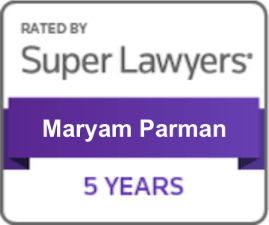
A Los Angeles motorcycle dooring accident can happen when a driver or passenger opens a parked vehicle’s door into the path of an approaching motorcyclist. The rider may have only a short distance to recognize the obstruction, brake, or attempt to move around it. In some collisions, the motorcycle strikes the door directly. In others, the rider swerves to avoid contact and loses control, or the door opens into the motorcycle’s path as the rider passes. Understanding the sequence requires careful examination of the vehicle’s position, the door’s movement, available roadway space, visibility, and physical evidence.
California law specifically addresses opening vehicle doors into traffic. Under California Vehicle Code section 22517, a person may not open the door of a vehicle on the side available to moving traffic unless doing so is reasonably safe and can be accomplished without interfering with traffic movement. The law also addresses leaving a door open longer than necessary to load or unload passengers. Whether a particular Los Angeles motorcycle dooring accident involved a violation depends on the actual circumstances and evidence.
Dooring collisions are often associated with bicycles, but motorcycles can encounter similar hazards along streets with curbside parking. A motorcycle may be traveling in a marked traffic lane, passing parked vehicles, or approaching a commercial area where occupants are entering and exiting cars. The physical dimensions and movement of the motorcycle, the door’s swing, and the rider’s position can all become relevant to determining how the collision occurred.
An insurer may argue that the motorcyclist was traveling too quickly or too close to parked vehicles. The rider may report that the door opened without warning and left insufficient space to avoid contact. A Los Angeles motorcycle dooring accident investigation should evaluate those competing statements alongside video, witness accounts, damage patterns, roadway measurements, and other available evidence rather than assuming either account is conclusive.
The motorcycle and protective equipment may also contain important evidence. Damage to the handlebars, front wheel, fairings, mirrors, fuel tank, frame, helmet, jacket, or other gear may help document the collision and resulting property loss. Medical records separately establish the injuries diagnosed and treated by healthcare professionals.
Super Woman Super Lawyer can help injured riders evaluate the evidence and insurance questions that arise after a motorcycle collision. For broader information about motorcycle injury representation, visit our motorcycle accident lawyer resource. The specific Los Angeles motorcycle dooring accident evidence should be preserved promptly because vehicle repairs, surveillance deletion, and changes to the street scene may make later reconstruction more difficult.
Reconstructing the Door-Opening Collision
Reconstructing a Los Angeles motorcycle dooring accident begins with understanding the positions and movements of the parked vehicle, its door, and the approaching motorcycle. The fact that a motorcycle struck an open door does not, by itself, establish exactly when the door opened or what opportunity the rider had to respond.
Investigators may need to determine whether the door was already open when the rider approached, whether it opened suddenly, or whether the motorcycle made contact during the door’s movement. Photographs, damage patterns, witness statements, and video can help distinguish those scenarios.
Parked Vehicle Position and Door Swing
The parked vehicle’s position may affect how far the door extended into the roadway. A car parked close to the curb may create a different clearance issue from one positioned farther into the travel lane. The width of the vehicle, the length of the door, and the angle at which it opened may also matter.
Following a Los Angeles motorcycle dooring accident, photographs should document the vehicle’s location relative to the curb, parking-space markings, and adjacent traffic lane. If the door remains open, photograph its position from several angles without altering it unnecessarily. If it has already been closed, document its condition and any visible damage.
Vehicle door damage may help establish where the motorcycle made contact. Damage near the outer edge of the door could raise different reconstruction questions from damage closer to the hinge. The meaning of those patterns should be evaluated by qualified professionals when technical analysis is needed.
Investigators should also consider whether the occupant was entering, exiting, loading, or unloading the vehicle. Those circumstances may help establish why the door was opened and how long it remained in the motorcycle’s path.
Motorcycle Travel Path and Available Clearance
A motorcyclist traveling past parked vehicles may have a limited amount of roadway space available. The rider’s position can be affected by traffic in adjacent lanes, roadway width, lane markings, and other vehicles.
A Los Angeles motorcycle dooring accident investigation may therefore require measurements of the travel lane, parking lane, curb position, and distance between the motorcycle’s path and the parked vehicle. Photographs should show the entire roadway rather than only the damaged door.
The rider’s direction of travel matters as well. A motorcycle approaching from behind the parked car may encounter the door as it swings outward, while a rider approaching from another angle may face different visibility and reaction-time questions.
The presence of an adjacent vehicle can also affect the rider’s options. A motorcyclist may be unable to move left safely if another vehicle occupies the neighboring lane. That circumstance should be documented rather than assuming the rider could simply steer around the obstruction.
Timing Between Door Opening and Impact
Timing may be the central disputed issue in a Los Angeles motorcycle dooring accident. A vehicle occupant may claim the door had been open long enough for the rider to see it, while the rider may report that it opened immediately before contact.
Video can help establish the sequence. A nearby business camera, vehicle dashcam, helmet camera, or other recording may show when the door began moving and how the motorcycle approached. However, camera angle, frame rate, and recording quality can affect what can be determined.
Witness statements may also provide context, although a witness who saw the impact may not have observed the moment the door first opened. Investigators should distinguish what each person actually saw from assumptions made afterward.
A Los Angeles motorcycle dooring accident may involve only a brief interval between the door opening and the collision. That makes early identification of original video files and accurate scene documentation particularly important.
Visibility and Driver Conduct Evidence
Visibility can become a major issue after a Los Angeles motorcycle dooring accident because the person opening the door may claim that the motorcycle was not visible. The rider may report approaching along a predictable travel path, while the vehicle occupant may say they checked a mirror or looked over their shoulder before opening the door. Investigators should examine what each person could reasonably see and when the door began moving.
California Vehicle Code section 22517 applies to the act of opening a vehicle door into moving traffic. A person opening the door must consider whether doing so is reasonably safe. The existence of this requirement does not eliminate the need to evaluate the motorcyclist’s conduct, but it makes the circumstances surrounding the door-opening movement particularly important.
Mirrors, Windows, and Approaching Traffic
A parked vehicle’s mirrors and windows may provide information about what its occupant could see before opening the door. The available view depends on the vehicle’s design, mirror positions, surrounding traffic, and any objects obstructing the approach.
After a Los Angeles motorcycle dooring accident, investigators may photograph the vehicle from approximately the occupant’s seated position. Those images can help document potential sightlines, although they should not automatically be treated as an exact reconstruction of what the person saw.
A parked SUV, delivery truck, street tree, or other object may temporarily obstruct the view of an approaching motorcycle. Conversely, a clear roadway may raise questions about whether the occupant looked before opening the door.
Lighting can also matter. During November, sunset occurs earlier in Los Angeles, potentially affecting the visibility of motorcycles during evening travel. However, the actual collision time and lighting conditions must be established before darkness or glare is treated as a contributing factor.
Vehicle Occupant Statements and Witness Accounts
Statements from the driver or passenger who opened the door may help establish what happened immediately before the collision. The occupant may describe checking a mirror, looking over a shoulder, opening the door partially, or stepping out of the vehicle.
A Los Angeles motorcycle dooring accident file should preserve these statements accurately and identify when they were made. A statement given at the scene may differ from a later insurance account, and any differences should be evaluated in context.
Witnesses may include pedestrians, nearby drivers, business employees, or passengers in other vehicles. Each may have observed a different part of the event. Someone standing on the sidewalk might see the door opening, while another motorist may have a clearer view of the motorcycle’s approach.
The investigation should not assume that every witness had an unobstructed view. Recording the witness’s location, direction of attention, and what they actually observed can make their statement more useful.
Dashcams, Helmet Cameras, and Nearby Surveillance
Helmet-camera footage can be especially valuable in a Los Angeles motorcycle dooring accident because it may show the rider’s approach, roadway clearance, parked vehicles, and the moment the door entered the travel path. A forward-facing camera may also document whether the door was already open or moved suddenly.
Dashcams in surrounding vehicles may capture another perspective. Nearby businesses, residences, parking structures, and commercial properties may have surveillance cameras directed toward the street.
The SWSL article What to Do After a Car Accident in California: What Actually Matters provides related guidance about preserving photographs, witness information, and other accident records. Although motorcycle dooring collisions involve distinctive evidence, many of the same early documentation principles apply.
Original recordings should be preserved whenever available. Video sent through messaging applications or uploaded to social media may be compressed, potentially reducing image quality. Camera systems may also overwrite recordings, making prompt identification of footage particularly important.
Physical Evidence to Preserve After a Los Angeles Motorcycle Dooring Accident
Physical evidence can help establish the contact between the motorcycle and vehicle door, the rider’s response, and the resulting damage. A Los Angeles motorcycle dooring accident may leave scratches, dents, broken components, scrape marks, or other evidence that changes once vehicles are repaired or moved.
The motorcycle may also have fallen or slid after the initial contact. The location of the motorcycle after the collision may therefore differ from the point where it first contacted the door.
Photographs should document the complete scene before focusing on individual damage areas. Wider images provide context, while closer photographs preserve details that may become important during reconstruction.
Door Damage, Motorcycle Contact Points, and Debris
Damage to the vehicle door may help investigators evaluate the collision sequence. Scratches, dents, hinge damage, broken trim, and other marks can provide information about the location of contact.
In a Los Angeles motorcycle dooring accident, the motorcycle’s handlebars, mirrors, front wheel, fork, fairings, and other components may also show damage. Investigators may compare those locations with the vehicle door to determine whether the physical evidence supports the reported sequence.
Debris can provide additional context. Broken plastic, glass, motorcycle components, and other materials may be scattered near the impact area or farther along the rider’s path.
The location of debris should be photographed before cleanup when safe. If emergency responders or bystanders move objects, the change should be documented rather than treating later positions as original evidence.
Helmet, Riding Gear, and Motorcycle Condition
Protective equipment may contain evidence relevant to both the collision and the resulting property loss. A helmet, jacket, gloves, boots, pants, or other gear may show scratches, tears, or impact damage.
After a Los Angeles motorcycle dooring accident, photograph these items before repair or disposal. Damaged equipment should be preserved when appropriate, particularly if questions arise about how the rider fell or contacted the roadway.
The motorcycle itself may require inspection before repairs. A damaged front wheel, handlebar, brake component, or other part may affect the reconstruction and should not be altered unnecessarily before its condition is documented.
Repair estimates, photographs, towing records, and total-loss documentation can help establish property damage. Receipts or purchase records may also be useful when documenting protective gear and accessories.
Roadway Markings, Parking Spaces, and Lane Width
The roadway layout may explain how much space the motorcyclist had to travel past the parked vehicle. A narrow traffic lane adjacent to curbside parking can create different clearance conditions from a wider roadway.
A Los Angeles motorcycle dooring accident investigation should document parking-space markings, lane boundaries, curb positions, nearby intersections, and other relevant features. Measurements may help establish how far the door extended into the available travel path.
Parked vehicles can also affect the scene. A large vehicle positioned ahead of the car may obscure the approaching rider, while traffic in the neighboring lane may limit the motorcyclist’s ability to move away from the opening door.
The California DMV Motorcycle Handbook provides general information about motorcycle operation, roadway awareness, and traffic hazards. The handbook can provide safety context, but the applicable law and collision evidence determine responsibility in a particular case.
Injury and Insurance Disputes After a Motorcycle Dooring Collision
An injured motorcyclist may face medical treatment, vehicle repairs, missed work, and communications with insurance companies while the collision is still being investigated. A Los Angeles motorcycle dooring accident may involve the parked vehicle’s driver, another occupant who opened the door, the vehicle owner, and potentially other parties depending on the circumstances.
The insurance investigation should distinguish the conduct of the person opening the door from questions about the motorcycle’s position or speed. Medical documentation should separately establish the injuries and recovery needs.
Medical Treatment and Rehabilitation Records
Medical care following a Los Angeles motorcycle dooring accident may begin with an emergency department visit, urgent care, or another initial evaluation. Depending on the injuries, treatment may include imaging, orthopedic care, neurological evaluation, physical therapy, medication, or rehabilitation.
Medical diagnoses and treatment recommendations should come from qualified healthcare professionals. The visible damage to the motorcycle or vehicle does not establish the severity of the rider’s injuries.
Preserve medical records showing when symptoms were reported, what evaluations occurred, what treatment was recommended, and whether work or activity restrictions were imposed.
Employment records may document missed shifts, reduced hours, or modified duties. Transportation receipts and other expenses may also help establish the practical effects of the collision.
A Los Angeles motorcycle dooring accident file should maintain an accurate medical timeline without assuming that every symptom necessarily resulted from the same mechanism. Medical causation should be evaluated based on the actual clinical evidence.
Claims About Rider Speed or Lane Position
An insurer may argue that the motorcyclist was traveling too fast, too close to parked vehicles, or outside an appropriate travel path. The injured rider may maintain that the door opened suddenly and left no reasonable opportunity to avoid contact.
Those arguments should be evaluated using evidence rather than assumptions about motorcycles. A Los Angeles motorcycle dooring accident may involve helmet-camera footage, witness observations, roadway measurements, vehicle damage, and other information relevant to the rider’s position and movement.
A driver’s estimate of motorcycle speed is not necessarily an exact measurement. Similarly, the fact that the motorcycle contacted the door does not automatically establish that the rider could have avoided it.
California follows comparative-fault principles, so responsibility may be allocated when the evidence supports fault by more than one person. The application of those principles depends on the particular facts.
Settlement Offers Before the Full Injury Record Is Available
An insurer may offer to resolve a claim before the motorcycle has been fully inspected, video has been obtained, or medical treatment is complete.
Before accepting a settlement after a Los Angeles motorcycle dooring accident, the injured person should understand which claims and parties the release covers and whether important medical, financial, or collision evidence remains outstanding.
The SWSL article How Personal Injury Settlements Really Work in California provides additional context about evidence, medical documentation, and settlement timing.
A settlement decision should be based on the available information and the terms of the proposed agreement rather than an assumption that an early offer necessarily accounts for every potential loss.
November Visibility and Parking Conditions in Los Angeles
November’s shorter daylight hours can affect the visibility of motorcycles during evening travel. A Los Angeles motorcycle dooring accident occurring near sunset may involve glare, shadows, headlights, streetlights, or other lighting conditions that differ from those present earlier in the day.
However, a seasonal connection should not replace the actual investigation. If a collision occurred during clear daylight, the focus should remain on the vehicle door, the motorcycle’s position, and the actions of the people involved.
Commercial corridors with curbside parking can create frequent interactions between parked vehicles and moving traffic. Occupants may be entering or leaving cars while motorcycles pass through adjacent lanes. The particular street layout, vehicle positions, and available clearance determine what evidence matters.
Photographs taken at the same approximate time of day may help illustrate visibility, but they should not be treated as an exact recreation of the original conditions without accounting for differences in weather, traffic, lighting, and camera exposure.
Legal Deadlines and Evidence Preservation
California generally provides a two-year limitations period for personal injury lawsuits under Code of Civil Procedure section 335.1, subject to exceptions. Claims involving public entities may be subject to separate procedures and shorter deadlines.
The practical evidence-preservation period after a Los Angeles motorcycle dooring accident may be much shorter. A damaged door can be repaired, a motorcycle returned to service, surveillance footage overwritten, and temporary street conditions changed.
Preserving photographs, original recordings, vehicle identification, witness information, medical records, and insurance communications promptly may help maintain a reliable account of the collision.
The legal filing deadline should not be treated as a schedule for preserving evidence. The California Courts Self-Help Guide provides general information about civil deadlines, but the applicable period depends on the circumstances of each claim.
Serving Injured Motorcycle Riders Throughout Los Angeles
Los Angeles has an extensive network of residential streets, commercial corridors, downtown roadways, and neighborhood shopping areas where motorcycles share the road with parked and moving vehicles. Streets in Downtown Los Angeles, Hollywood, Koreatown, West Los Angeles, and other neighborhoods may include curbside parking immediately beside active traffic lanes.
A Los Angeles motorcycle dooring accident may occur near a restaurant, office building, residential property, retail business, or another location where people frequently enter and exit parked cars. These settings can create different evidence opportunities, including business surveillance, residential cameras, dashcams, and witnesses.
Roadway layout matters. A narrow street with curbside parking may create different clearance issues from a wider commercial corridor. The position of nearby vehicles and the timing of the door-opening movement should be documented before the scene changes.
The investigation should also distinguish the person who opened the door from the registered vehicle owner when they are not the same person. Insurance coverage and potential responsibility depend on the actual circumstances and applicable law.
Super Woman Super Lawyer can help evaluate collision evidence, motorcycle damage, medical documentation, financial losses, and insurance communications. The purpose of a focused investigation is to determine what happened rather than rely on assumptions about motorcycles or parked vehicles.
Frequently Asked Questions About Los Angeles Motorcycle Dooring Accidents
What is a motorcycle dooring accident?
A motorcycle dooring collision occurs when a vehicle occupant opens a door into the path of an approaching motorcycle, potentially causing direct contact or an evasive maneuver. A Los Angeles motorcycle dooring accident may involve a moving door, a door already extending into traffic, or a rider attempting to avoid the obstruction. The actual sequence should be established from available evidence.
Is opening a car door into traffic illegal in California?
California Vehicle Code section 22517 restricts opening a vehicle door on the side available to moving traffic unless the movement is reasonably safe and does not interfere with traffic. Whether the statute was violated in a particular Los Angeles motorcycle dooring accident depends on the circumstances.
What if a passenger opened the door instead of the driver?
The identity and conduct of the person opening the door may matter. A Los Angeles motorcycle dooring accident investigation should identify the occupant, vehicle owner, and available insurance information without assuming that every person connected to the vehicle has the same responsibility.
What if the motorcycle never touched the door?
A collision may occur when a rider swerves to avoid an opening door and loses control. Physical evidence, witness statements, and video may help establish the relationship between the door movement and the resulting crash.
Can helmet-camera footage help prove when the door opened?
Potentially. A helmet camera may capture the door’s movement, the rider’s approach, and surrounding traffic. Original recordings should be preserved because compressed copies may lose detail.
What if the driver says the motorcycle was speeding?
An allegation of speed should be evaluated against video, roadway conditions, witness observations, and other evidence. A Los Angeles motorcycle dooring accident should not be reconstructed solely from a driver’s estimate.
Should I preserve the motorcycle before repairs?
When reasonably possible, document the motorcycle thoroughly before repair or disposal. Contact points, damaged components, and other physical evidence may be relevant to reconstruction and property loss.
Should I keep my damaged helmet and riding gear?
Yes, when appropriate. Photographs and preserved protective equipment may help document damage and the collision’s effects. Damaged safety equipment should not be reused merely to preserve evidence.
Can the parked vehicle’s position affect responsibility?
Potentially. Its distance from the curb, the available travel lane, and the door’s extension into traffic may all become relevant to the collision sequence.
What if the car door had been open for several seconds?
The timing should be established from available evidence. A Los Angeles motorcycle dooring accident may involve different factual questions depending on whether the door opened suddenly or was already extending into the roadway.
Can a business camera capture the collision?
Possibly. Businesses, residences, parking facilities, and other nearby properties may have cameras covering the street. Recordings should be identified promptly because they may be overwritten.
Can California comparative fault apply?
Yes. Comparative-fault principles may affect how responsibility and damages are allocated when the evidence supports negligence by more than one person. The result depends on the facts.
What medical and financial records should I preserve?
Keep initial treatment records, follow-up evaluations, provider restrictions, medical bills, employment documentation, motorcycle repair estimates, damaged gear photographs, and transportation receipts.
How quickly should evidence be preserved?
As early as reasonably possible. Vehicle repairs, video retention limits, and changes to street conditions may affect the available evidence long before a lawsuit deadline.
Call or Contact Super Woman Super Lawyer 24/7 for a Free Consultation and Pay Nothing Unless You Win
A Los Angeles motorcycle dooring accident can create complicated questions about the parked vehicle’s position, the door-opening movement, the rider’s travel path, visibility, and the opportunity to avoid contact. Determining what happened may require photographs, video, witness statements, roadway measurements, motorcycle damage, and the applicable California traffic laws.
Super Woman Super Lawyer can help evaluate the complete Los Angeles motorcycle dooring accident record, including helmet-camera footage, dashcams, vehicle and motorcycle damage, protective equipment, medical treatment, employment losses, and insurance communications. Preserving evidence early may be especially important when vehicles are repaired or recordings become unavailable.
For more information about representation following a motorcycle collision, visit our motorcycle accident lawyer resource.
Super Woman Super Lawyer offers free consultations. You pay no attorney fees unless you win, subject to the terms of the representation agreement. Every case depends on its individual facts, injuries, evidence, insurance coverage, and applicable law.
Connect with Super Woman Super Lawyer today:
Online Form: Request a case review
Call Now: 800.800.6916
Live Chat: Speak with a legal professional instantly
 Maryam Parman