Personal injury cases other lawyers rejected can sometimes involve important evidence that was overlooked during an initial evaluation. An injured person may believe there is no case because a police report identifies one responsible driver, the available insurance coverage appears limited, or another attorney has declined representation. For someone facing serious injuries, medical expenses, and financial uncertainty, these circumstances can make pursuing compensation seem impossible. However, an initial rejection does not necessarily mean every legal option has been exhausted.
Attorney Maryam Parman, founder of Super Woman Super Lawyer, has encountered clients who initially believed they did not have a viable personal injury claim. After examining their injuries, the accident circumstances, and potentially responsible parties, her legal team sometimes discovered information that changed the direction of the case. These experiences demonstrate why a comprehensive investigation may be valuable before drawing conclusions about the available legal options.
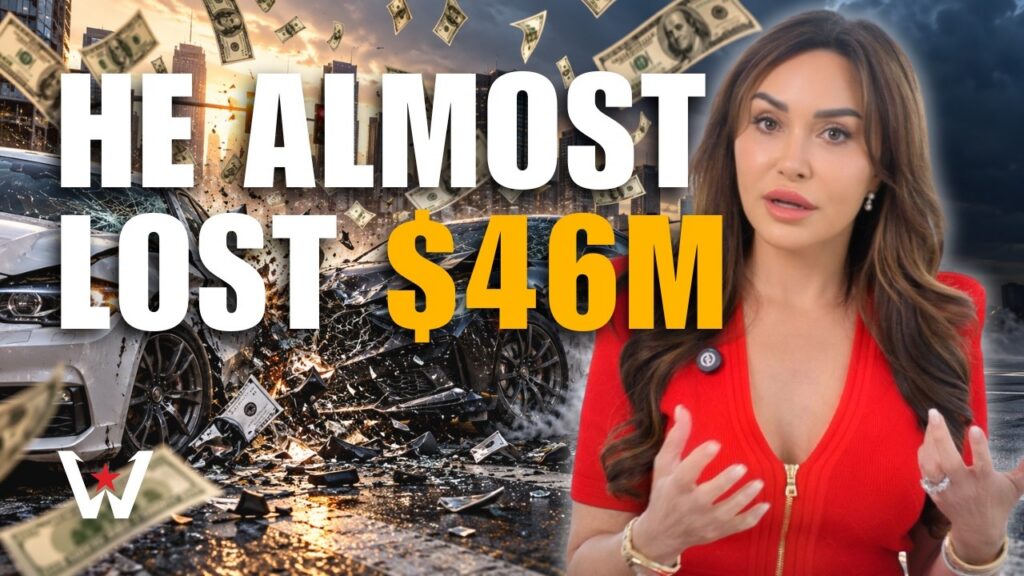
In an episode of Ask Super Woman Super Lawyer, Maryam shares three real cases involving a motorcycle collision near a construction area, a seriously injured passenger named Roxanna, and a rental truck that caught fire on a freeway. According to Maryam’s account, these cases resulted in recoveries exceeding $25 million, $7 million, and $40 million. Each case involved different circumstances, but all three required looking beyond the most obvious explanation of what happened.
“Some of the strongest cases began with doubt.” — Maryam Parman
The rental truck case was explicitly rejected by other attorneys before Maryam took it on. The motorcycle and Roxanna cases illustrate a related issue: claims that initially appeared limited or difficult but developed differently after further investigation. Together, these stories offer important lessons for people researching personal injury cases other lawyers rejected and asking whether a second legal opinion could help them understand their rights.
Why Some Personal Injury Cases Other Lawyers Rejected Deserve Another Look
There are several reasons an attorney may decide not to accept a personal injury claim. The available evidence may be incomplete, responsibility may be difficult to establish, or the apparent insurance coverage may be insufficient to justify the resources required for litigation. A case may also involve complicated legal questions, disputed medical causation, multiple potentially responsible parties, or approaching filing deadlines. When evaluating personal injury cases other lawyers rejected, understanding the reason for the initial decision is an important first step.
It is essential to distinguish between a case that has no viable legal basis and one that a particular attorney or law firm chooses not to pursue. Attorneys may have different experience, resources, areas of practice, and approaches to evaluating complex claims. A decision not to accept representation is not necessarily a final determination of whether another attorney could identify a legally supportable claim.
Some personal injury cases other lawyers rejected require specialized investigation before the potential sources of liability become clear. A collision initially attributed to one driver may also involve unsafe roadway conditions, vehicle maintenance problems, or the actions of a separate business. Those possibilities must be supported by evidence. The existence of a construction company, rental company, or other business does not automatically make it responsible for an accident.
A second evaluation may identify additional questions worth investigating, but it can also confirm that a claim faces substantial legal or evidentiary obstacles. The purpose of reviewing personal injury cases other lawyers rejected should be to determine what the evidence supports, not to promise a different outcome simply because another attorney is willing to examine the facts.
Super Woman Super Lawyer’s personal injury representation services provide information about evaluating accident-related injuries, investigating responsibility, and understanding potential legal options.
What Makes a Previously Rejected Claim Different From an Impossible Case?
Personal injury cases other lawyers rejected do not necessarily share the same legal problems. Some involve disputed liability, while others involve limited insurance, missing evidence, or questions about whether injuries resulted from the accident. The important similarity is that an initial evaluation may leave unanswered questions that affect the legal analysis.
An attorney reviewing a previously declined case may examine whether additional witnesses can be identified, whether surveillance footage exists, or whether another person or business contributed to the injury. The investigation may also involve evaluating insurance coverage, medical records, and legal deadlines. These steps help determine whether further investigation is appropriate and what obstacles remain.
Personal injury cases other lawyers rejected may also require specialized experience or resources. A collision involving construction activity may require analysis of temporary traffic controls, while a vehicle fire may require mechanical inspection and expert testimony. These investigations can be costly and complex, which may influence whether a particular law firm accepts representation.
A second opinion can provide useful information even when the claim ultimately cannot proceed. Understanding the evidence, applicable law, and potential barriers can help an injured person make informed decisions rather than relying solely on the initial rejection.
Case 1: A Motorcycle Accident That Resulted in More Than $25 Million
One of the cases Maryam discusses involved a motorcyclist who suffered serious injuries after a car made a left turn in front of him. The collision occurred in an area involving construction, and the driver who turned reportedly carried only $50,000 in insurance coverage. Given the severity of the motorcyclist’s injuries, that amount appeared extremely limited compared with the potential medical expenses and other losses.
A motorcycle accident involving a left-turning vehicle may initially seem straightforward. Investigators may focus on whether the turning driver yielded to the approaching motorcycle, whether either vehicle was speeding, and whether traffic signals or roadway markings affected the maneuver. However, the initial driver-focused investigation does not necessarily identify every circumstance that contributed to the collision.
For people researching personal injury cases other lawyers rejected, this motorcycle accident provides an example of why a limited insurance policy should not automatically end the evaluation. Although Maryam did not say other firms rejected this particular case, her account shows how looking beyond the driver revealed additional circumstances relevant to the claim.
How Construction Zone Evidence Changed the Case
Rather than limiting the investigation to the motorist who turned in front of the motorcycle, Maryam and her team examined the surrounding construction area. They investigated whether the roadway had been properly blocked off, maintained, and made reasonably safe for motorists traveling through the area.
“We started looking at the construction company. Was the road properly blocked and properly maintained? Well, no, it wasn’t.” — Maryam Parman
According to Maryam, the investigation uncovered problems involving the construction conditions. Those findings created a broader understanding of how the accident occurred and why the initial assessment did not tell the complete story. She reports that her client ultimately received more than $25 million.
This case illustrates why accident reconstruction may require reviewing more than the vehicles themselves. Construction zones can involve temporary lane changes, barriers, traffic-control devices, detours, and altered sightlines. Depending on the circumstances, a failure to maintain or configure a work zone appropriately may become relevant to determining responsibility.
The Federal Highway Administration’s work-zone resources provide information about roadway work-zone operations, traffic management, and safety practices. In a motorcycle collision involving construction activity, investigators may need to examine warning signs, barriers, temporary lane configurations, and the responsibilities of contractors working in the area.
A thorough investigation may involve construction plans, photographs, roadway inspection records, witness statements, contractor documents, and qualified expert analysis. Personal injury cases other lawyers rejected may warrant similar investigative steps when an unsafe roadway condition is alleged, although the presence of construction alone does not establish negligence.
Why Limited Insurance Does Not Always Mean a Limited Case
The driver’s $50,000 policy was an important part of the initial evaluation, but it did not necessarily represent every possible source of compensation. When additional parties may have contributed to an accident, an attorney may need to examine whether separate legal claims or insurance policies are relevant.
In the motorcycle case, the construction-related evidence helped expand the investigation beyond the driver who made the left turn. That distinction is important for people who assume their claim cannot proceed because one motorist carries limited insurance.
Personal injury cases other lawyers rejected or initially considered difficult may sometimes involve additional responsible parties, but those parties must be identified through a legally supported investigation. The possibility of additional coverage should never be treated as a guarantee of recovery.
For more information about these claims, Super Woman Super Lawyer provides motorcycle accident representation for injured riders and their families.
What This Motorcycle Case Teaches About Rejected Injury Claims
The motorcycle case demonstrates why the apparent value of an insurance policy should not automatically determine whether further investigation is worthwhile. A policy limit may be important, but the complete legal analysis may require identifying other parties and examining the conditions that contributed to the accident.
For people researching personal injury cases other lawyers rejected, this example highlights the importance of evaluating the accident scene and the conduct of parties beyond the most obvious driver. In some cases, additional evidence may reveal a legally supportable claim that was not apparent during an initial consultation.
The outcome depends on the actual evidence, applicable law, and available sources of recovery. Maryam’s reported result exceeding $25 million is an individual case outcome and does not establish the expected value of another motorcycle accident claim.
Case 2: Roxanna’s Story and a Settlement Exceeding $7 Million
The second case Maryam shares involves a woman named Roxanna, who was riding in the back seat of a vehicle when the driver, who was under the influence, rear-ended a truck parked alongside the road. According to Maryam’s account, the driver and front-seat passenger fled the scene, leaving Roxanna seriously injured in the back seat.
The police report attributed responsibility for the collision to the impaired driver. From an initial perspective, the accident appeared to involve a clear explanation of how the crash happened. However, determining who caused a collision and fully evaluating an injured passenger’s legal claim are related but different tasks.
Maryam explains that meeting Roxanna’s family made the case deeply personal. She met Roxanna’s sister, brother, and two children, and wanted to understand how the injuries affected the people who depended on her. Her team continued evaluating the circumstances and potential recovery rather than treating the initial police findings as the entire case.
Although Roxanna’s case was not described as being rejected by other attorneys, it offers an important lesson for people investigating personal injury cases other lawyers rejected: an initial police finding may not answer every question relevant to an injured person’s legal claim.
Looking Beyond the Police Report
A police report may contain valuable information about a collision, including the vehicles involved, witness accounts, observed traffic violations, roadway conditions, and an officer’s preliminary conclusions. However, a police investigation and a civil personal injury claim do not necessarily examine every issue in the same way.
A civil claim may require additional analysis of insurance coverage, medical treatment, financial losses, and other potentially relevant circumstances. A police report that identifies an impaired driver does not necessarily answer every question about compensation available to an injured passenger.
The National Highway Traffic Safety Administration’s impaired-driving resources explain the dangers associated with driving under the influence. When an impaired driver injures a passenger, the legal investigation may involve more than proving intoxication. Attorneys may also need to evaluate the collision sequence, available insurance, injuries, and the resulting financial and personal losses.
SWSL’s article Should I Get a Police Report After an Accident? provides additional information about how police documentation may support an injury claim and why other evidence can also be important.
In Roxanna’s case, Maryam’s account does not specify every legal theory or insurance source involved in the eventual recovery. It would therefore be inappropriate to assume that a particular additional defendant was responsible without supporting information. What Maryam reports is that her team pursued a broader evaluation and ultimately secured a settlement exceeding $7 million.
When evaluating personal injury cases other lawyers rejected, attorneys may likewise need to distinguish the initial accident findings from the broader questions of coverage, causation, and damages. Roxanna’s experience illustrates why a complete evaluation should consider the injured person’s circumstances and documented losses.
Understanding How Serious Injuries Affect a Family
A serious accident can create financial and personal consequences that extend well beyond emergency medical treatment. Depending on the injuries, a person may require ongoing rehabilitation, specialist care, assistance with daily activities, or significant changes to employment and family responsibilities.
Maryam’s description of Roxanna’s case emphasizes the importance of understanding the injured person as an individual. Roxanna’s two children and other family members were an important part of the circumstances Maryam considered when evaluating the case’s impact.
“We were able to secure a settlement over $7 million for Roxanna.” — Maryam Parman
Medical records, treatment recommendations, employment documentation, and other relevant evidence may help establish the extent of the losses. The recoverability of particular damages depends on the applicable law and the facts, but a complete investigation should not overlook the ways a serious injury affects someone’s ability to work, care for family members, or maintain ordinary activities.
According to Maryam, Roxanna’s case concluded with a settlement exceeding $7 million. That outcome is specific to her case and does not establish what another injured passenger might recover.
Readers can learn more about accident investigations and injury claims through SWSL’s car accident lawyer services, including representation involving serious passenger injuries and disputed liability.
Why Roxanna’s Case Matters When an Injury Claim Seems Straightforward
Roxanna’s case demonstrates that identifying the driver who caused an accident is not necessarily the same as completing the legal evaluation. A claim may require additional documentation of injuries, available insurance, financial losses, and the broader circumstances surrounding the collision.
Although Maryam did not describe Roxanna’s case as one another attorney rejected, it provides a related lesson for people exploring personal injury cases other lawyers rejected. An initial explanation may identify one important fact without addressing every issue relevant to compensation.
The reported settlement exceeding $7 million reflects the circumstances of Roxanna’s individual case. It should not be interpreted as a typical recovery for an impaired-driving passenger injury claim.
Case 3: A Rental Truck Fire That Other Lawyers Rejected
Of the three stories, the rental truck case most directly illustrates personal injury cases other lawyers rejected. Maryam describes a client who rented a truck to move personal belongings. While traveling on a freeway, the truck caught fire, creating a dangerous emergency. The client jumped from the vehicle to escape and suffered catastrophic injuries.
According to Maryam, other attorneys declined the case because they focused on the client’s decision to jump from the truck. From that perspective, the injuries appeared to result from the client’s own actions rather than another party’s negligence.
Maryam and her team approached the situation differently. Instead of ending the investigation with the jump, they examined what caused the truck to catch fire and whether the vehicle had been maintained properly.
This is the clearest example in Maryam’s account of how personal injury cases other lawyers rejected may require examining the entire sequence of events rather than focusing on one decision made during an emergency.
Why the Cause of the Fire Was Critical
A personal injury investigation should examine the events that created the dangerous situation, not only the final action taken by the injured person. In this case, the client reportedly jumped because the rental truck was burning while traveling on a freeway.
Maryam explains that her team conducted further investigation and hired experts to evaluate the vehicle. According to her account, that work revealed problems with the truck’s condition and maintenance. Those findings became central to understanding how the emergency developed.
“We did some digging, investigation, hired experts, [and] found out that that truck was faulty.” — Maryam Parman
A vehicle fire investigation may require examining maintenance histories, inspection records, repair documentation, physical vehicle evidence, and expert findings. Depending on the circumstances, the investigation may also consider whether a component malfunctioned or whether an alleged maintenance failure contributed to the fire.
The National Highway Traffic Safety Administration’s vehicle recall database allows consumers to research safety recalls involving vehicles and equipment. A recall search may provide useful background when investigating vehicle safety, but the existence of a recall does not automatically prove that a particular vehicle was defective or caused an injury. Likewise, the absence of a recall does not necessarily establish that a vehicle was free from defects.
The existence of a fire does not automatically establish that a rental company or manufacturer was negligent. Any claim involving a defective or improperly maintained vehicle must be supported by the relevant evidence and applicable law.
For personal injury cases other lawyers rejected because the injured person appeared responsible for their own actions, investigating the original hazard may reveal facts that were missing from the first evaluation.
The Difference Between Reacting to Danger and Causing It
The fact that someone takes an action during an emergency does not necessarily explain why the emergency occurred. A person’s response may need to be evaluated in light of the immediate danger they faced, the available alternatives, and the time they had to make a decision.
In the rental truck case, the client’s jump was one part of a larger sequence. The truck fire, the vehicle’s condition, and the circumstances that created the need to escape were also important.
Maryam reports that her team secured a settlement exceeding $40 million after other attorneys had rejected the case. The result illustrates why some personal injury cases other lawyers rejected may warrant further investigation, especially when the initial assessment does not address what created the dangerous situation.
The outcome does not mean that every vehicle fire or emergency-related injury supports a claim against a rental company. It demonstrates how additional investigation can change the understanding of a specific case when evidence supports a different explanation.
For information about injuries involving trucks and related vehicle collisions, SWSL’s truck accident lawyer page discusses accident investigations and potential liability. The rental moving truck case should not automatically be treated as a commercial trucking claim, because the applicable legal issues depend on the vehicle and circumstances.
What the Rental Truck Case Reveals About Rejected Personal Injury Claims
The rental truck case shows why the sequence of events leading to an injury can be just as important as the injured person’s final action. The client reportedly jumped from a burning vehicle, but the investigation also needed to determine why the fire occurred and whether the truck’s condition contributed to the emergency.
Personal injury cases other lawyers rejected may involve similar questions about causation. An initial assessment may focus on one person’s conduct while leaving other relevant circumstances unexplored. When additional evidence supports a different explanation, the legal evaluation may change.
Maryam’s reported settlement exceeding $40 million illustrates the outcome of this particular investigation. It does not establish that other rejected vehicle-related claims will produce comparable results.
Do I Still Have a Personal Injury Case If Another Lawyer Rejected It?
Possibly. If an attorney declines representation, that decision does not automatically establish that the injured person has no legal claim. Another attorney may review the available evidence, identify unanswered questions, or evaluate potential sources of liability that were not considered during the initial consultation.
However, a second opinion does not guarantee a viable case. Some claims may lack sufficient evidence, face legal barriers, involve expired deadlines, or present other obstacles that additional investigation cannot overcome.
When evaluating personal injury cases other lawyers rejected, a useful starting point is understanding why the first attorney declined. The reason may relate to disputed liability, limited insurance, the cost of investigation, a lack of supporting evidence, or the firm’s own practice priorities.
An injured person seeking another opinion should provide accurate information about the accident, medical treatment, insurance communications, and any previous legal evaluations. Concealing unfavorable information can make it harder for an attorney to assess the case properly.
For personal injury cases other lawyers rejected, a second consultation can be especially useful when new evidence has emerged, the original assessment did not address all relevant circumstances, or the injured person has questions about available insurance coverage.
What If the Police Report Says I Was at Fault?
A police report may be important evidence, but it does not automatically resolve every question in a civil injury claim. The report may reflect the information available to the investigating officer at the time and may not include later expert findings, additional witnesses, or records obtained through a more extensive investigation.
An attorney reviewing the case may consider whether the report accurately describes the collision, whether other evidence supports or contradicts its conclusions, and whether the applicable law allows responsibility to be shared among multiple parties.
The legal effect of a police report depends on the jurisdiction, the issues involved, and the available evidence. A disagreement with the report does not automatically make it incorrect, but it may identify a question worth reviewing.
Personal injury cases other lawyers rejected because of an unfavorable police report may deserve a second evaluation when additional evidence could materially affect the understanding of responsibility.
What If the Insurance Company Denied My Claim?
An insurance denial may involve disputed responsibility, policy exclusions, coverage limits, medical causation, or missing documentation. The reason for the denial matters because different issues require different types of evidence.
A personal injury case investigation may examine the insurer’s explanation, the applicable policy language, accident records, medical documentation, and any additional evidence that could affect the claim.
A denial does not necessarily establish that the insurer’s position is legally correct. At the same time, not every denial can be successfully challenged. The facts, policy terms, and applicable law determine the available options.
For personal injury cases other lawyers rejected following an insurance denial, understanding the specific reason for the denial can help another attorney determine whether further investigation is warranted.
What If the Other Driver Has Very Little Insurance?
A small insurance policy may limit the compensation available from that particular source, but it does not automatically establish every potential source of recovery. Depending on the circumstances, additional coverage or other responsible parties may need to be evaluated.
Maryam’s motorcycle case illustrates this distinction. The driver reportedly had a $50,000 policy, but the investigation uncovered construction-related issues that changed the case’s evaluation.
For people researching personal injury cases other lawyers rejected, the lesson is that the amount of one driver’s insurance and the complete legal value of a claim are not necessarily the same thing. Additional recovery still requires legally supported claims and available sources of compensation.
How Personal Injury Cases Other Lawyers Rejected Are Re-Evaluated
Personal injury cases other lawyers rejected may require a fresh review of the accident circumstances, available evidence, medical documentation, and legal issues. The purpose of a second evaluation is not simply to reach a different conclusion from the first attorney. It is to determine whether additional information could materially affect the assessment of responsibility or available compensation.
An attorney may begin by reviewing the police report, photographs, witness statements, insurance correspondence, and medical records. The review may identify gaps in the evidence, such as missing surveillance footage, incomplete vehicle records, or uncertainty about the role of another business. Whether further investigation is worthwhile depends on the significance of those questions and the likelihood that relevant evidence can be obtained.
Personal injury cases other lawyers rejected may also involve legal issues that require specialized knowledge. A construction-zone collision, vehicle fire, or catastrophic injury claim can raise different questions from a relatively straightforward accident. An attorney’s experience with those issues may influence how the case is evaluated, although experience alone does not guarantee a different outcome.
A complete second opinion should identify the claim’s strengths, weaknesses, deadlines, and potential costs. The goal is to help the injured person understand the available options based on evidence rather than assumptions.
Reviewing the Initial Reason for Rejection
When another attorney declines a claim, the reason may provide useful information for the next evaluation. Some firms may determine that the evidence does not establish responsibility, while others may be concerned about insurance coverage, the complexity of litigation, or the resources required to investigate the accident.
Personal injury cases other lawyers rejected because of limited insurance may require a different review from cases declined because of disputed liability. The first may involve identifying other potential coverage or responsible parties, while the second may require additional accident reconstruction or witness evidence.
The initial attorney’s decision should be considered respectfully and accurately. Another firm may reach the same conclusion after reviewing the evidence, or it may identify a different approach supported by the facts.
Understanding the reason for rejection can help focus the second consultation on the questions that matter most.
Determining Whether New Evidence Could Change the Evaluation
New evidence can sometimes affect how an accident is understood. A previously unidentified witness, additional surveillance footage, maintenance record, or expert finding may provide information that was unavailable during the initial review.
For personal injury cases other lawyers rejected, the significance of new evidence depends on whether it addresses a material legal issue. A document may confirm a known fact without changing the claim, while another record may provide important information about responsibility or causation.
An attorney may also evaluate whether the evidence can still be obtained and preserved. Some records have limited retention periods, and physical evidence may change after repairs or cleanup.
The existence of new information does not guarantee a viable case, but it can provide a reason to reassess an earlier conclusion.
What Makes Personal Injury Cases Other Lawyers Rejected Worth Investigating Further?
The value of a personal injury case investigation comes from understanding what happened, who may be legally responsible, and how the injuries affected the person involved. Some accidents initially appear straightforward because a police report identifies one driver or an insurer accepts only limited responsibility. Others involve unusual circumstances that require technical analysis before the cause becomes clear.
Personal injury cases other lawyers rejected may deserve additional review when important questions remain unanswered. However, the existence of unanswered questions does not itself establish negligence or guarantee that the claim will succeed. The evidence must support the relevant legal elements, including responsibility, causation, and damages.
Identifying Additional Responsible Parties
An accident may involve more than one potentially responsible person or organization. Depending on the facts, an investigation may consider a negligent driver, employer, vehicle owner, contractor, maintenance provider, or another party whose conduct contributed to the injury.
Maryam’s motorcycle case provides an example of why this matters. The initial focus was on the motorist who turned in front of the rider, but further investigation identified construction-related safety issues. The rental truck case similarly involved looking beyond the client’s response to the fire and examining the vehicle’s condition.
Identifying an additional party does not automatically establish liability. An attorney must evaluate the applicable legal duties, evidence of negligence or another legally recognized basis for responsibility, causation, and available damages. These requirements vary by jurisdiction and claim type.
In personal injury cases other lawyers rejected, identifying another potentially responsible party can be relevant when the initial review focused on only one driver or one source of insurance. Any additional claim must still be supported by evidence.
Preserving Evidence That May Disappear
Evidence can become more difficult to obtain as time passes. Surveillance footage may be overwritten, vehicles may be repaired, witnesses may become harder to locate, and temporary roadway conditions may change. A construction zone may be reconfigured, while a damaged rental vehicle may be moved or altered before its condition can be examined.
A personal injury case investigation may require preserving photographs, original video, accident reports, vehicle information, medical records, business records, and relevant communications. In appropriate circumstances, an attorney may take steps to request preservation of evidence held by another party.
When someone is considering personal injury cases other lawyers rejected, the availability of evidence may be one of the most important practical considerations. A second opinion can be more useful when relevant records and physical evidence have been preserved. However, even if some evidence is no longer available, an attorney may be able to evaluate other sources of information.
The timing of a second evaluation matters because legal filing deadlines may continue running even while someone searches for representation. Preserving evidence and seeking timely advice can help prevent additional obstacles.
Using Experts When the Accident Is Technically Complicated
Some cases involve questions that cannot be resolved through ordinary photographs or witness statements alone. A collision near a construction zone may require examining traffic-control plans and roadway design. A vehicle fire may involve mechanical, engineering, or maintenance issues. Other accidents may require reconstruction of vehicle movements or evaluation of specialized equipment.
Qualified experts may help analyze physical evidence, explain technical findings, and evaluate whether an alleged condition contributed to the injury. Their conclusions must be supported by appropriate methods and reliable evidence.
In Maryam’s rental truck case, expert involvement was part of the investigation that reportedly uncovered vehicle defects and maintenance problems. The case demonstrates why technical expertise can be important when the initial explanation does not fully account for the circumstances.
Personal injury cases other lawyers rejected may involve technical questions that require specialized investigation, but not every claim needs an expert witness. The appropriate scope depends on the issues in dispute, the evidence available, and the requirements of the case.
How a Second Opinion May Change the Evaluation of an Injury Claim
Seeking a second opinion can provide another opportunity to review the evidence and understand why a case was declined. Different attorneys may have different experience handling construction-related collisions, catastrophic injuries, vehicle defects, or complex insurance disputes. A firm may also decide not to accept a matter for business or resource reasons that do not necessarily reflect a definitive legal conclusion.
For people researching personal injury cases other lawyers rejected, the most useful second opinion is one that carefully evaluates both the strengths and weaknesses of the claim. A meaningful review should consider what is known, what remains uncertain, and whether further investigation could reasonably clarify important issues.
Personal injury cases other lawyers rejected should be reviewed with realistic expectations. A new attorney may identify an overlooked issue, but the evidence may also confirm the concerns that led the first firm to decline representation. An informed evaluation is valuable because it helps clarify the available options.
Questions to Ask During a Personal Injury Consultation
An injured person can benefit from understanding which facts are most important to the attorney’s evaluation. Relevant questions may include whether additional evidence is available, whether another party could be legally responsible, what insurance coverage may apply, and whether the medical records adequately document the claimed injuries.
It may also be useful to ask about filing deadlines, potential costs, the need for expert analysis, and the risks associated with pursuing the claim. An attorney should be able to explain the major uncertainties without promising a particular settlement or outcome.
For personal injury cases other lawyers rejected, a second consultation should address why the original claim was declined and whether any additional evidence could change the analysis. These questions can help the injured person understand whether further investigation is appropriate.
A second opinion should help someone make an informed decision. It should not create unrealistic expectations based on the results of unrelated cases.
Why Serious Injuries Require a Complete Damages Evaluation
When someone suffers catastrophic injuries, the consequences may extend far beyond the initial hospital stay. Depending on the circumstances, the person may require ongoing treatment, rehabilitation, assistance with daily activities, or changes to employment and family responsibilities.
A personal injury case investigation should consider medical documentation, provider recommendations, employment records, and other evidence supporting the claimed losses. The availability of particular categories of compensation depends on the law governing the claim.
Maryam’s discussion of Roxanna’s case illustrates why understanding the injured person’s family and long-term circumstances can be an important part of evaluating the case. Her reported settlement exceeding $7 million was an individual outcome based on that matter’s circumstances, not a benchmark for other passenger injury claims.
In personal injury cases other lawyers rejected because of disputed damages, a complete medical and financial evaluation may help clarify the claimed losses. However, documenting serious injuries does not eliminate the need to establish liability and causation.
Super Woman Super Lawyer’s personal injury representation services provide information about evaluating serious injury claims and the legal process.
How Personal Injury Settlements Are Evaluated
The reported outcomes in Maryam’s three cases are significant, but settlement amounts cannot be evaluated accurately without considering the specific facts, injuries, legal claims, insurance coverage, and evidence. A large recovery in one case does not establish the expected value of another case involving a similar type of accident.
Personal injury cases other lawyers rejected may involve substantial uncertainty, including disputed liability, limited coverage, expensive expert investigation, or difficult questions about causation. Additional investigation may improve the understanding of a claim, but it may also reveal evidence that weakens the case.
Why Settlement Amounts Differ
Settlement evaluations may consider the nature and extent of the injuries, medical treatment, lost income, future care needs, available evidence, comparative fault, insurance coverage, and litigation risks. The relevance and recoverability of these factors depend on the jurisdiction and individual circumstances.
In Maryam’s motorcycle case, the reported outcome followed an investigation into construction-related conditions. In Roxanna’s case, the legal team evaluated a seriously injured passenger’s circumstances. In the rental truck case, the investigation reportedly uncovered defects and maintenance problems. These were different claims involving different evidence and legal issues.
For personal injury cases other lawyers rejected, settlement value should not be estimated solely from the fact that another attorney declined the matter. The evidence supporting liability and damages remains central to any meaningful evaluation.
The settlement amounts should therefore be understood as individual reported outcomes rather than predictions of what another injured person might receive.
Why a Settlement May Be Reached Without a Trial
Many personal injury claims are resolved through negotiation rather than a completed trial. The decision to settle depends on the evidence, the parties’ positions, the risks of continued litigation, and the terms of the proposed agreement.
An injured person should understand which claims and parties a settlement release covers and whether important medical, financial, or liability information remains incomplete. Accepting a settlement can have lasting legal consequences depending on its terms.
For additional information, read SWSL’s article about settling a personal injury claim or pursuing a lawsuit.
In personal injury cases other lawyers rejected, settlement discussions may involve complicated evidence or coverage questions. The appropriate strategy depends on the specific claim and should not be based on assumptions drawn from another person’s recovery.
Frequently Asked Questions About Personal Injury Cases Other Lawyers Rejected
Can I still have a personal injury case if another lawyer rejected it?
Possibly. Another attorney’s decision to decline representation does not automatically mean a legal claim is invalid. A second review may identify additional evidence, potentially responsible parties, or insurance coverage. However, personal injury cases other lawyers rejected do not automatically become viable simply because another attorney evaluates them.
Why would a personal injury lawyer reject my case?
An attorney may decline because responsibility is difficult to establish, evidence is limited, damages are disputed, deadlines are approaching, or the case requires resources outside the firm’s practice. A rejection may also reflect the firm’s own case-selection criteria rather than a definitive legal determination.
Can another lawyer accept a case that was previously rejected?
Yes. Attorneys may evaluate cases differently based on their experience, resources, and understanding of the available evidence. Personal injury cases other lawyers rejected may sometimes receive a different assessment, although another firm is not obligated to accept the claim.
What if the police report says I caused the accident?
A police report can be important evidence, but it does not necessarily resolve every issue in a civil claim. An attorney may review additional witnesses, physical evidence, photographs, and applicable law to determine whether the report provides a complete explanation.
What if the responsible driver has very little insurance?
A small policy may limit the compensation available from that source, but additional coverage or other responsible parties may be relevant depending on the circumstances. Some personal injury cases other lawyers rejected because of limited insurance may warrant further review when evidence suggests another party contributed to the accident.
Can a construction company be responsible for a motorcycle accident?
Potentially. If evidence establishes that unsafe construction conditions or negligent traffic-control practices contributed to a collision, additional liability questions may arise. The presence of construction alone does not establish responsibility.
Can an injured passenger pursue compensation after an impaired-driving accident?
Potentially. An injured passenger may have legal options depending on the circumstances, available insurance, applicable law, and other relevant evidence. The driver’s impairment may be important, but the complete claim still requires evaluation.
Can a rental truck company be responsible if its vehicle catches fire?
Potentially. An investigation may examine vehicle defects, maintenance records, inspections, and other evidence. A fire does not automatically establish negligence, and responsibility depends on the applicable legal standards and facts.
What if I was injured while escaping an emergency?
The circumstances that created the emergency and the person’s response may both be relevant. The fact that someone took action to escape danger does not necessarily explain why the dangerous situation occurred or determine legal responsibility.
Do personal injury cases other lawyers rejected usually result in large settlements?
No. There is no basis for assuming that previously rejected cases generally produce large recoveries. Maryam’s three stories involve individual reported outcomes, and past results do not guarantee similar compensation in another matter.
What evidence should I bring to a second consultation?
Relevant materials may include accident reports, photographs, witness information, medical records, insurance correspondence, vehicle information, and communications with previous attorneys. The attorney can identify whether additional records are needed.
Can an insurance company deny a claim even when someone was seriously injured?
Yes. An insurer may dispute responsibility, coverage, medical causation, or other issues. The severity of an injury does not independently establish every legal element of a claim.
Do I need an expert witness to pursue a difficult personal injury case?
Not always. Some personal injury cases other lawyers rejected involve technical questions that may benefit from expert analysis, while others can be evaluated using ordinary records, photographs, and witness testimony. The need for experts depends on the circumstances.
How long do I have to seek a second opinion?
Legal deadlines vary by state and type of claim. Consulting another attorney does not ordinarily stop a filing deadline from running. Prompt evaluation is important, particularly when evidence may disappear or a limitations period is approaching.
Why Personal Injury Cases Other Lawyers Rejected Deserve a Careful Review
Personal injury cases other lawyers rejected may involve evidence or legal questions that were not fully explored during the first evaluation. The three cases Maryam describes demonstrate different reasons why a closer look can matter. One involved construction-related roadway conditions, another required careful evaluation of an injured passenger’s circumstances, and the third involved a rental truck fire that prompted a technical investigation.
The rental truck case was explicitly rejected by other attorneys, while the motorcycle and Roxanna cases illustrate related situations involving initially difficult or limited claims. These distinctions matter because the purpose of sharing the stories is to explain the value of thorough investigation, not to suggest that all three clients had previously been rejected.
Personal injury cases other lawyers rejected do not automatically become stronger simply because another attorney reviews them. The investigation must identify legally relevant evidence and establish whether the claim can be supported. In some situations, further investigation may reveal additional responsible parties or insurance coverage. In others, it may confirm that significant legal obstacles remain.
The broader lesson is that injured people benefit from understanding the full circumstances of their accidents before deciding what to do next. A second opinion may provide that opportunity, particularly when the initial evaluation leaves important questions unanswered.
Ask Super Woman Super Lawyer: Why the Full Story Matters
Maryam Parman’s experiences demonstrate that the initial explanation of an accident may not always reveal every relevant fact. A motorcycle collision involving limited driver insurance, a seriously injured passenger, and a rental truck fire each presented different challenges. Further investigation helped Maryam’s team evaluate circumstances that were not fully apparent at the beginning.
According to Maryam’s account, the motorcycle case resulted in more than $25 million, Roxanna’s case concluded with a settlement exceeding $7 million, and the rental truck case resulted in a settlement exceeding $40 million after other attorneys had declined it. These results belong to specific cases and should not be treated as typical outcomes or guarantees.
For people researching personal injury cases other lawyers rejected, the broader lesson is that an informed evaluation should consider the complete accident, available evidence, applicable law, and potentially responsible parties. Sometimes additional investigation reveals important information. Other times, it may confirm that a claim cannot be pursued successfully. Either conclusion can help an injured person better understand their options.
If you are asking, “Do I Still Have a Personal Injury Case?”, a second legal opinion may help clarify what information is available, which questions remain unanswered, and whether additional investigation is appropriate.
Call or Contact Super Woman Super Lawyer 24/7 for a Free Consultation and Pay Nothing Unless You Win
Personal injury cases other lawyers rejected may involve difficult questions about responsibility, insurance coverage, accident reconstruction, and serious injuries. Being uncertain about your case does not mean you should have to make legal decisions without understanding the available information.
Super Woman Super Lawyer, founded by attorney Maryam Parman, offers free, no-obligation consultations to help injured people discuss their circumstances and potential legal options. Whether your injury involved a motorcycle accident, an impaired driver, unsafe roadway conditions, or a vehicle-related emergency, the legal team can review the information available and explain possible next steps.
If another attorney has declined your claim, a second evaluation may help determine whether important evidence or legal questions deserve additional consideration. For personal injury cases other lawyers rejected, reviewing the full accident history may help clarify whether the original assessment addressed every relevant circumstance.
No attorney can guarantee that further investigation will establish liability or lead to compensation, but understanding the complete circumstances can support a more informed decision.Connect with Super Woman Super Lawyer today:
Online Form: Request a case review
Call Now: 800.800.6916
Live Chat: Speak with a legal professional instantly
 Maryam Parman